
Aluminum sheets and aluminum coils are both widely used aluminum products in manufacturing, fabrication, and industrial applications, but they differ in their physical form, supply format, handling, processing methods, and typical applications. Choosing between aluminum sheets and coils depends not only on the alloy grade but also on the production process, required dimensions, production volume, and equipment used by the business.
For businesses purchasing aluminum in larger quantities, understanding the differences between these two product forms can help identify the right material and make quotation requests more accurate.
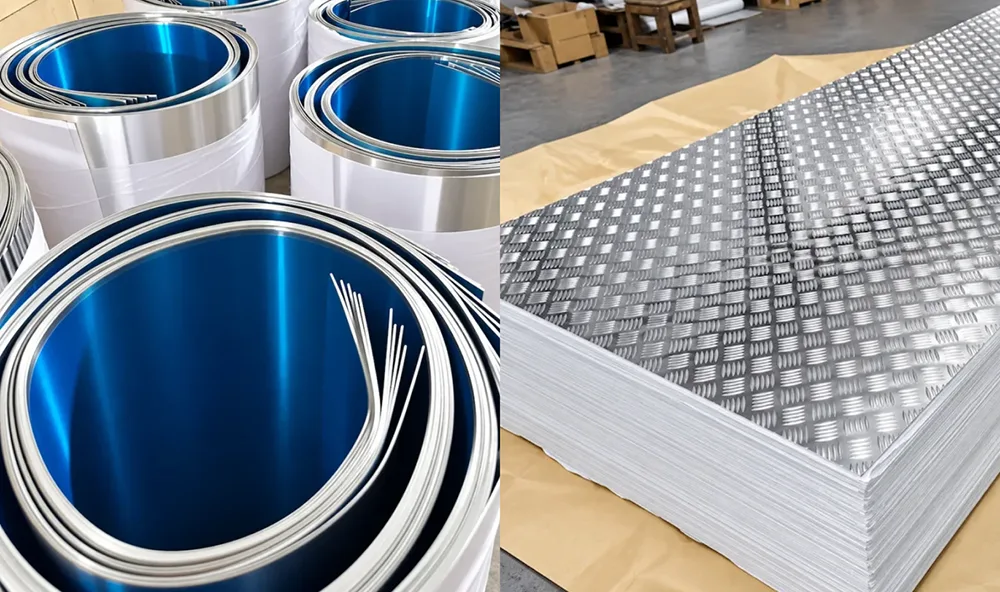
What Are Aluminum Sheets?
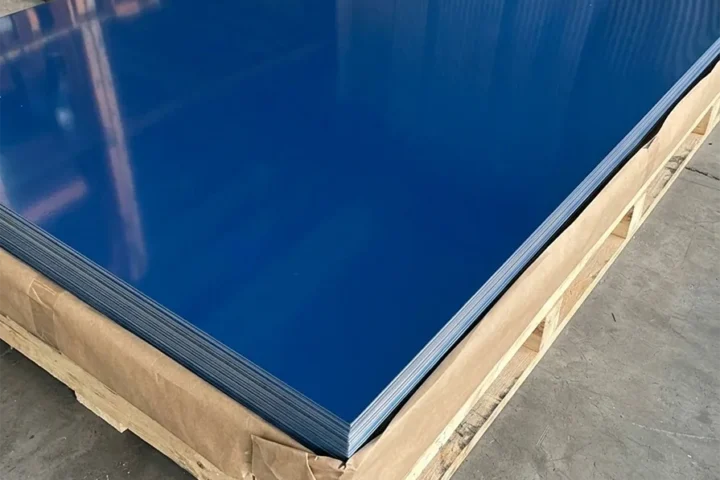
Aluminum sheets are flat aluminum products supplied as individual sheets with defined thicknesses and dimensions.
Depending on the application, aluminum sheets are available in different alloy grades, thicknesses, dimensions, and tempers. Common grades include A1050, A3003, A5052, A6061, and A7075.
Aluminum sheets are commonly used when the material needs to be cut, machined, bent, stamped, or fabricated into specific components or structures.
Common applications include:
- Mechanical components.
- Industrial structures and equipment.
- Tanks and containers.
- Machinery components.
- Enclosures and fabricated parts.
- HVAC equipment.
- Products requiring CNC machining or profile cutting.
What Are Aluminum Coils?
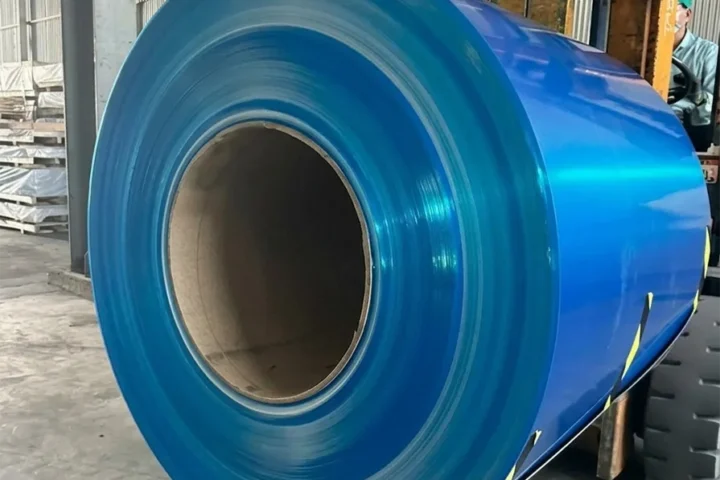
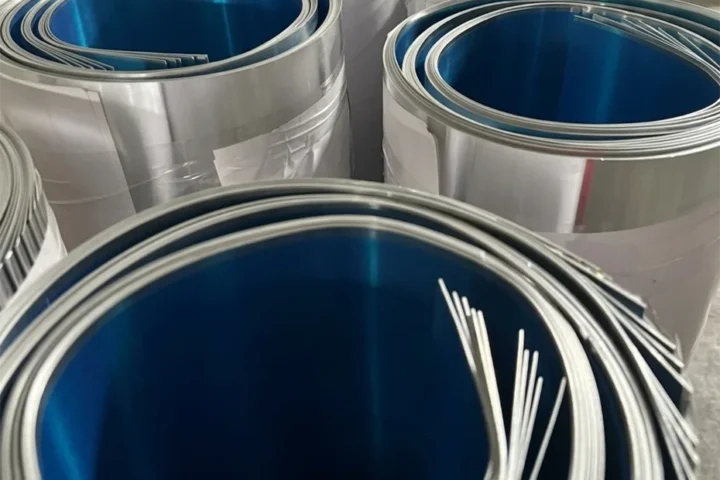
Aluminum Coils are aluminum products supplied in the form of continuous strips wound into coils. They are typically specified according to thickness, coil width, coil weight, and other technical requirements.
Aluminum coils are also available in various alloy grades, including A1050, A3003, A5052, A6061, and other alloy systems depending on the intended application.
Because coils provide a continuous length of material, they are particularly suitable for production lines that use continuous feeding, coil slitting, cutting, stamping, or automated forming processes.
Typical applications may include:
- Manufacturing metal components and parts.
- HVAC and heat-exchange equipment.
- Tanks, containers, and formed products.
- Coil slitting and cutting.
- Continuous stamping.
- Industrial production lines requiring continuous material feeding.
What Are the Main Differences Between Aluminum Sheets and Coils?
1. Supply Form
The most obvious difference is the physical form.
Aluminum sheets are supplied as individual flat sheets, while aluminum coils are supplied as continuous material wound into coils.
As a result, storage, transportation, handling, and material feeding methods can also differ.
2. Processing Methods
Aluminum sheets are convenient for individual sheet cutting, CNC machining, drilling, milling, bending, and forming according to specific dimensions.
Aluminum coils are more suitable for processes such as coil unwinding, continuous cutting, continuous stamping, and automated forming.
For businesses operating automated production lines that require continuous material feeding, aluminum coils may be more suitable.
3. Dimensions and Specifications
For aluminum sheets, businesses typically specify:
- Thickness
- Length.
- Width.
- Sheet dimensions.
- Temper.
- Alloy grade
- Applicable standard.
For aluminum coils, important specifications may include:
- Alloy grade
- Thickness
- Coil width.
- Coil weight.
- Inner and outer coil diameter, if required.
- Temper.
- Applicable standard.
- Packaging requirements.
Therefore, when requesting a quotation, businesses should clearly specify the required product form and dimensions.
Are Aluminum Sheets or Coils Better?
Neither product form is better for every application. The appropriate choice depends on the finished product and manufacturing process.
If a business needs individual sheets with defined dimensions for machining or fabrication, aluminum sheets are generally more convenient.
If the production process requires continuous material feeding, coil unwinding, or high-volume automated production, aluminum coils may be more suitable.
Regardless of the product form, businesses should also consider the alloy grade, thickness, temper, applicable standard, and required mechanical properties.
Can Aluminum Coils Be Converted into Sheets?
Yes. Aluminum coils can be unwound and cut into sheets of the required length using suitable processing equipment.
However, whether to purchase aluminum sheets directly or use aluminum coils depends on factors such as required quantity, dimensions, available processing equipment, and the specific production process.
For high-volume manufacturing, using coils with automated cutting processes may be more efficient. For individual fabrication or smaller-volume requirements, aluminum sheets may be more convenient to handle and process.
What Information Should You Provide When Purchasing Aluminum Sheets or Coils?
To help the supplier identify the appropriate product, businesses should provide:
- Product form: aluminum sheet or aluminum coil.
- Alloy grade
- Thickness
- Dimensions or coil width.
- Temper.
- Applicable standard.
- Required quantity.
- Intended application.
- Packaging or delivery requirements, if applicable.
Providing complete information helps the supplier evaluate product availability and prepare a more appropriate quotation.
Conclusion
The main difference between aluminum sheets and aluminum coils lies in their supply form and how the material is fed into the manufacturing process. Aluminum sheets are suitable for individual fabrication and applications requiring specific sheet dimensions, while aluminum coils are better suited to continuous material feeding, slitting, cutting, stamping, and automated production.
When selecting between the two, businesses should consider not only the product form but also the alloy grade, thickness, dimensions, temper, applicable standard, and quantity to ensure the material meets the actual production requirements.
SUNRIMEX – Aluminum Sheets & Coils for Businesses
SUNRIMEX focuses on aluminum sheets and aluminum coils, supporting business customers with product information and sourcing requirements.
You can provide the product type, alloy grade, specifications, quantity, and intended application for our team to review your requirements and assist with a suitable quotation.
DISCUSSION
Discuss This Article
Submit a question or feedback related to this article.