
An aluminum alloy grade is a designation used to identify and classify a specific type of aluminum based on its chemical composition and alloy system. When purchasing aluminum sheets or coils, the alloy grade helps businesses determine whether the material is suitable for their manufacturing, fabrication, and application requirements.
Common aluminum grades include A1050, A3003, A5052, A6061, and A7075. Each grade has different chemical composition, strength, hardness, formability, machinability, and typical applications.

What Is an Aluminum Alloy Grade?
An aluminum alloy grade, also referred to as an aluminum alloy designation, is used to identify a specific aluminum material based primarily on its chemical composition and alloying system.
Examples include:
- A1050 A high-purity aluminum grade, typically containing at least 99.5% Al.
- A3003: An aluminum-manganese alloy offering higher strength than A1050 along with good formability.
- A5052: An aluminum-magnesium alloy known for good strength and corrosion resistance.
- A6061: A versatile aluminum alloy widely used for mechanical, structural, and machining applications.
- A7075: A high-strength aluminum alloy used for applications requiring high mechanical strength and load-bearing capability.
Therefore, an alloy grade is not simply a product name. It is an important technical designation used to identify the material.
Why Does the Aluminum Grade Matter?
The alloy grade helps businesses understand the material composition and determine whether a particular aluminum product is suitable for a specific application..
Once the correct alloy grade is identified, businesses can evaluate relevant characteristics such as:
- Chemical composition.
- Mechanical strength.
- Hardness.
- Ductility and formability.
- Machinability.
- Corrosion resistance.
- Welding or processing characteristics.
- Typical applications.
This is why the alloy grade is usually one of the first technical details to define when requesting a quotation for aluminum sheets or coils.
Does the Alloy Grade Determine Aluminum Quality?
The alloy grade is important, but it is not the only factor that determines product quality or suitability.
Two products with the same alloy grade may differ in thickness, dimensions, temper, manufacturing standard, tolerances, surface condition, and other technical requirements.
For example, if a business requires A6061, simply specifying “A6061” may not provide enough information for a supplier to identify the exact product required for quotation. Additional details such as thickness, dimensions, temper, applicable standard, and quantity may also be required.
Therefore, the alloy grade should be considered one part of a complete set of product specifications.
What Is the Difference Between Alloy Grade and Temper?
These two terms are often confused.
The alloy grade identifies the alloy system and chemical composition, while the temper describes the material condition resulting from specific heat treatment or mechanical processing.
For example, A6061-T6 can be understood as A6061 alloy in the T6 temper.
- A6061 is the alloy grade.
- T6 is the temper.
Depending on the application, the same alloy grade may be available in different tempers, which can result in different mechanical properties.
Should You Choose an Aluminum Grade Based on the Application?
Yes. Selecting the alloy grade based on the actual application is generally more appropriate than choosing solely by product name.
Examples include:
- For high purity, good electrical conductivity, or thermal conductivity → A1050 may be considered.
- For good formability with a suitable level of strength → A3003 may be considered.
- For good strength and corrosion resistance → A5052 may be considered.
- For mechanical, structural, and machining applications → A6061 may be considered.
- For high mechanical strength → A7075 may be considered.
The final material selection should always be based on the specific technical requirements of the product and application.
What Information Should You Provide When Requesting a Quotation?
In addition to the alloy grade, businesses should provide:
- Alloy grade
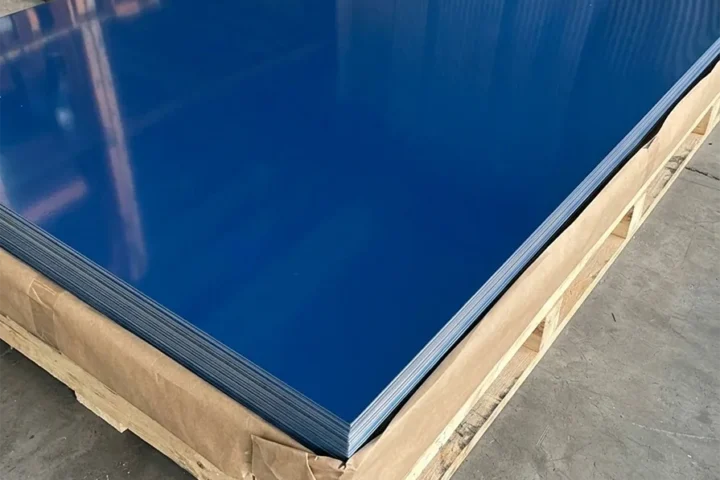
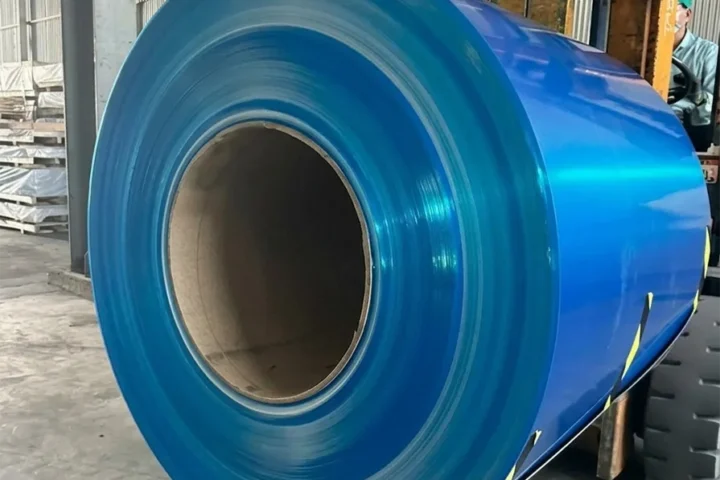
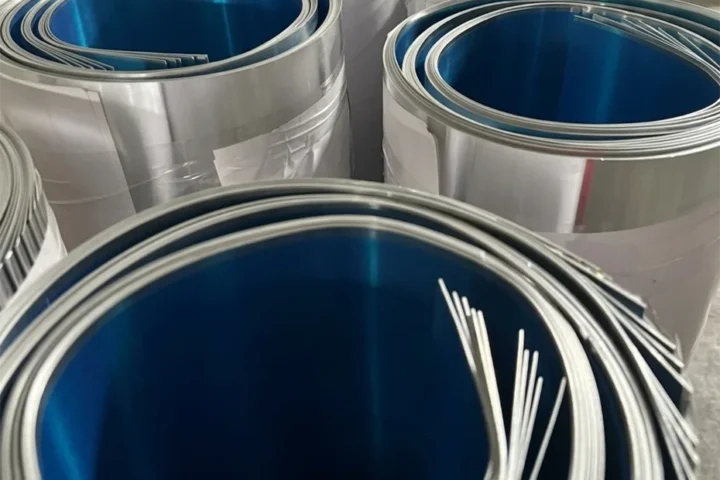
- Product form: aluminum sheet or aluminum coil.
- Thickness
- Width or dimensions.
- Temper.
- Applicable standard.
- Required quantity.
- Intended application, if material selection support is needed.
- Delivery location.
Providing complete information makes it easier to identify the appropriate product and proceed with the quotation process.
Conclusion
The aluminum alloy grade is an important technical designation used to identify and classify aluminum materials. It indicates the alloy system or purity level and provides a basis for evaluating characteristics such as strength, hardness, formability, machinability, and corrosion resistance.
However, when purchasing aluminum for manufacturing, businesses should not rely on the alloy grade alone. It is important to define the alloy grade, thickness, dimensions, temper, applicable standard, and quantity to ensure that the selected material matches the actual requirements.
SUNRIMEX – Aluminum Sheets & Coils for Businesses
SUNRIMEX focuses on aluminum sheets and aluminum coils, aluminum sheets and aluminum coils, supporting business customers in understanding alloy grades, specifications, and material requirements for different applications.
You can provide the alloy grade, specifications, quantity, and intended application for our team to review your requirements and assist with a quotation.
Article written by: SUNRIMEX
DISCUSSION
Discuss This Article
Submit a question or feedback related to this article.