
Choosing the right aluminum sheet for manufacturing requires consideration of the application, mechanical requirements, fabrication method, and material specifications. Aluminum should not be selected based solely on price or alloy grade, as different grades offer different levels of strength, hardness, formability, corrosion resistance, and machinability.
For businesses purchasing aluminum sheets for production, defining the key specifications from the beginning helps reduce material mismatches, improve processing efficiency, and control costs.
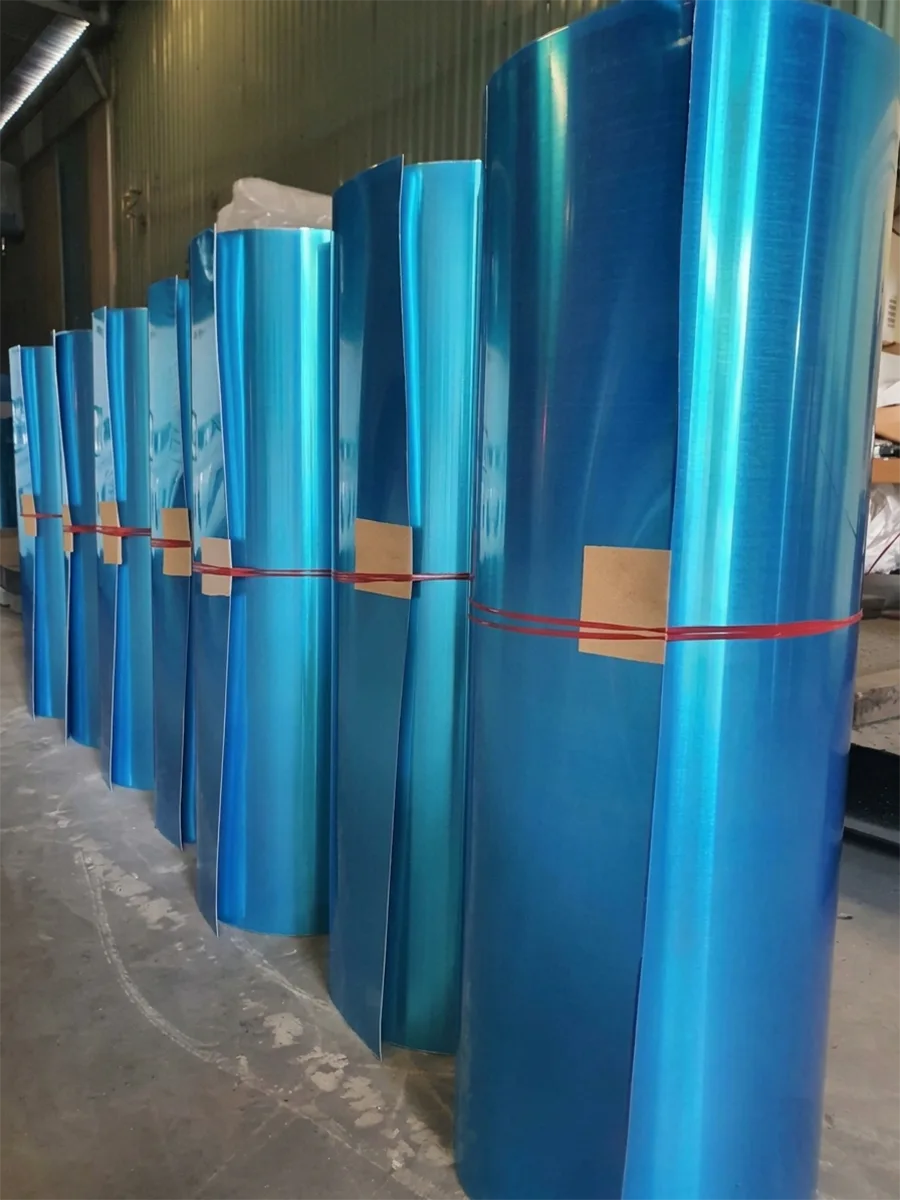
1. Define the Intended Application
This is the first step when selecting an aluminum sheet.
Businesses should determine how the aluminum sheet will be used: mechanical components, machine enclosures, structures, tanks, HVAC equipment, parts, decorative products, or a specific industrial application.
Each application may have different requirements for strength, hardness, formability, corrosion resistance, and weight.
Without a clear understanding of the intended application, it can be difficult to select the appropriate alloy grade and thickness.
2. Select the Appropriate Alloy Grade
The alloy grade is one of the most important specifications when purchasing aluminum sheets.
Common grades include:
- A1050 High aluminum content, good ductility, and good electrical and thermal conductivity. Suitable for applications that do not require high mechanical strength.
- A3003: Higher strength than A1050, with good formability and corrosion resistance. Commonly considered for HVAC, heat exchangers, and various industrial products.
- A5052: Good strength and corrosion resistance, making it suitable for many outdoor, humid, and marine-related applications.
- A6061: Offers a balance of strength, machinability, and versatility and is widely used in mechanical and structural applications.
- A7075: A high-strength aluminum alloy suitable for applications requiring high load-bearing capability and a favorable strength-to-weight ratio.
The alloy grade should be selected based on the technical requirements of the finished product rather than simply its name or price.
3. Determine the Required Thickness
Thickness directly affects stiffness, load-bearing capability, weight, and material cost.
Aluminum that is too thin may deform easily or fail to meet mechanical requirements. On the other hand, material that is unnecessarily thick can increase weight and cost without providing a meaningful benefit.
Therefore, thickness should be determined based on expected loads, product design, fabrication method, and allowable deformation.
If the required specification has not yet been defined, businesses can provide information about the application and load requirements as a basis for discussing suitable material options.
4. Select the Appropriate Temper
Temper describes the material condition resulting from specific heat treatment or mechanical processing and can affect mechanical properties and machinability.
For example, A6061-T6 can have different mechanical characteristics from A6061 in another temper condition.
Therefore, when purchasing aluminum sheets for manufacturing, businesses should not specify only “A6061” if the design or production process requires a specific material condition.
5. Define Sheet Dimensions
In addition to thickness, businesses should clearly define the length and width of the aluminum sheet.
Selecting suitable sheet dimensions can help reduce cutting waste and improve material utilization.
For products processed by CNC machining or profile cutting, businesses should consider the input sheet dimensions together with the dimensions of the finished components to optimize material usage.
6. Consider the Applicable Standard
Aluminum sheets may be supplied according to standards such as ASTM, JIS, EN, GB/T, AMS, or equivalent standards depending on the product and market.
Applicable standards help define requirements related to chemical composition, mechanical properties, dimensional tolerances, and other technical characteristics.
Businesses should identify the required standard at the beginning if the product has specific technical requirements or quality-control documentation.
7. Consider the Fabrication Method
The manufacturing process can also affect aluminum sheet selection.
If the product requires:
- Cutting.
- Bending.
- Stamping.
- Drilling.
- Milling.
- CNC.
- Welding.
- Forming.
the alloy grade, thickness, and temper should be suitable for the intended process.
Not all aluminum grades have the same processing characteristics. Defining the manufacturing process before purchasing the material can therefore help reduce the risk of selecting an unsuitable specification.
8. Determine Quantity and Supply Requirements
For B2B orders, quantity is also an important consideration.
Businesses should define the required quantity in sheets, kilograms, metric tons, or according to the agreed packaging and commercial terms.
It is also useful to specify the delivery location, packaging requirements, expected delivery schedule, and any required technical documentation.
These details help the supplier evaluate supply capability and prepare a more appropriate quotation.
What Information Should You Provide When Requesting an Aluminum Sheet Quotation?
A complete quotation request should include:
- Alloy grade
- Thickness
- Length × width.
- Temper.
- Applicable standard.
- Required quantity.
- Intended application.
- Surface or packaging requirements, if applicable.
- Delivery location.
If all specifications have not yet been determined, businesses can describe the product and intended application so the supplier has a basis for further discussion and material recommendations.
Conclusion
Choosing the right aluminum sheet for manufacturing involves more than selecting an alloy grade. Businesses should consider the application, alloy grade, thickness, temper, dimensions, applicable standard, fabrication method, and quantity together.
Clearly defining these specifications from the beginning helps businesses select more suitable materials, reduce the risk of production issues, and make the quotation process more efficient.
SUNRIMEX – Aluminum Sheets & Coils for Businesses
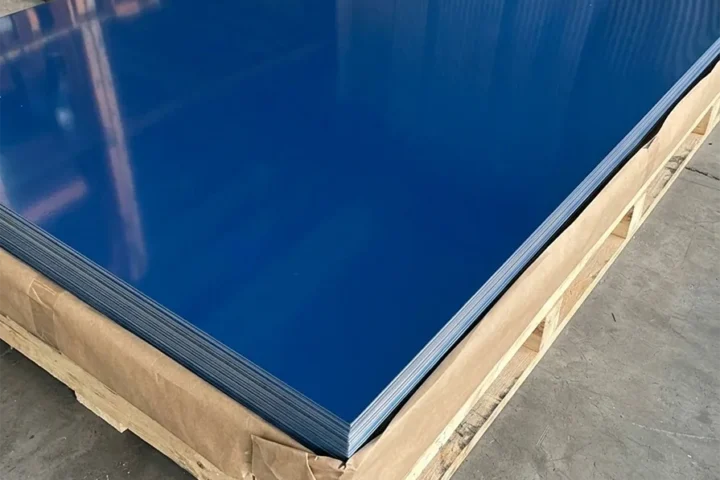
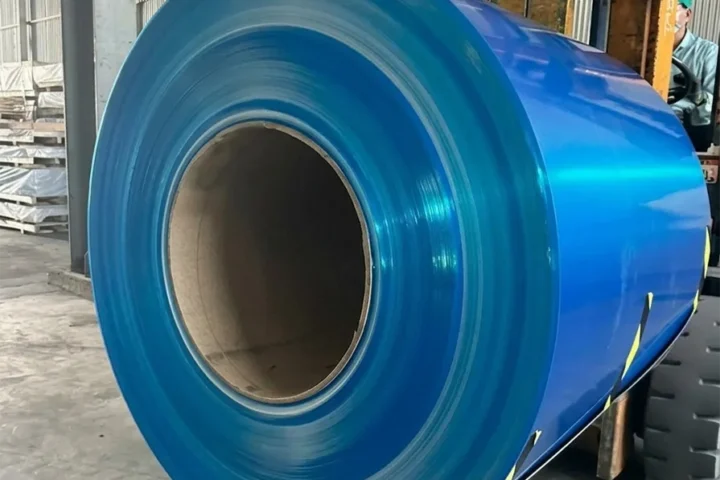
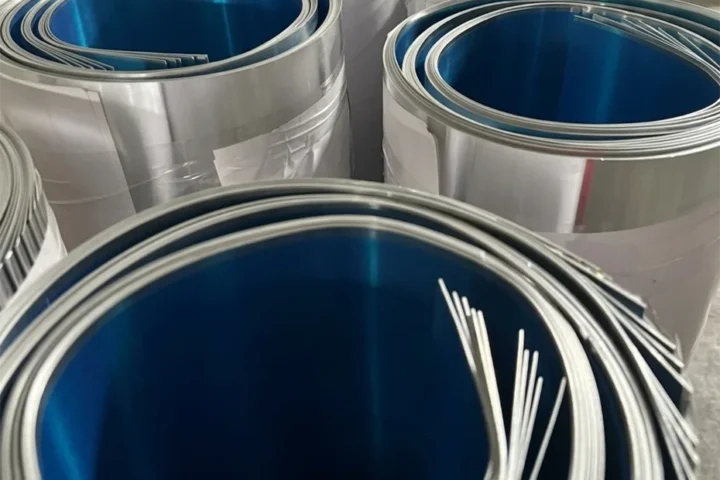
SUNRIMEX focuses on aluminum sheets and aluminum coils, aluminum sheets and aluminum coils, supporting business customers in understanding alloy grades, specifications, and material requirements for different applications.
You can provide the alloy grade, thickness, dimensions, temper, applicable standard, and quantity for our team to review your requirements and assist with a quotation based on your actual needs.
DISCUSSION
Discuss This Article
Submit a question or feedback related to this article.